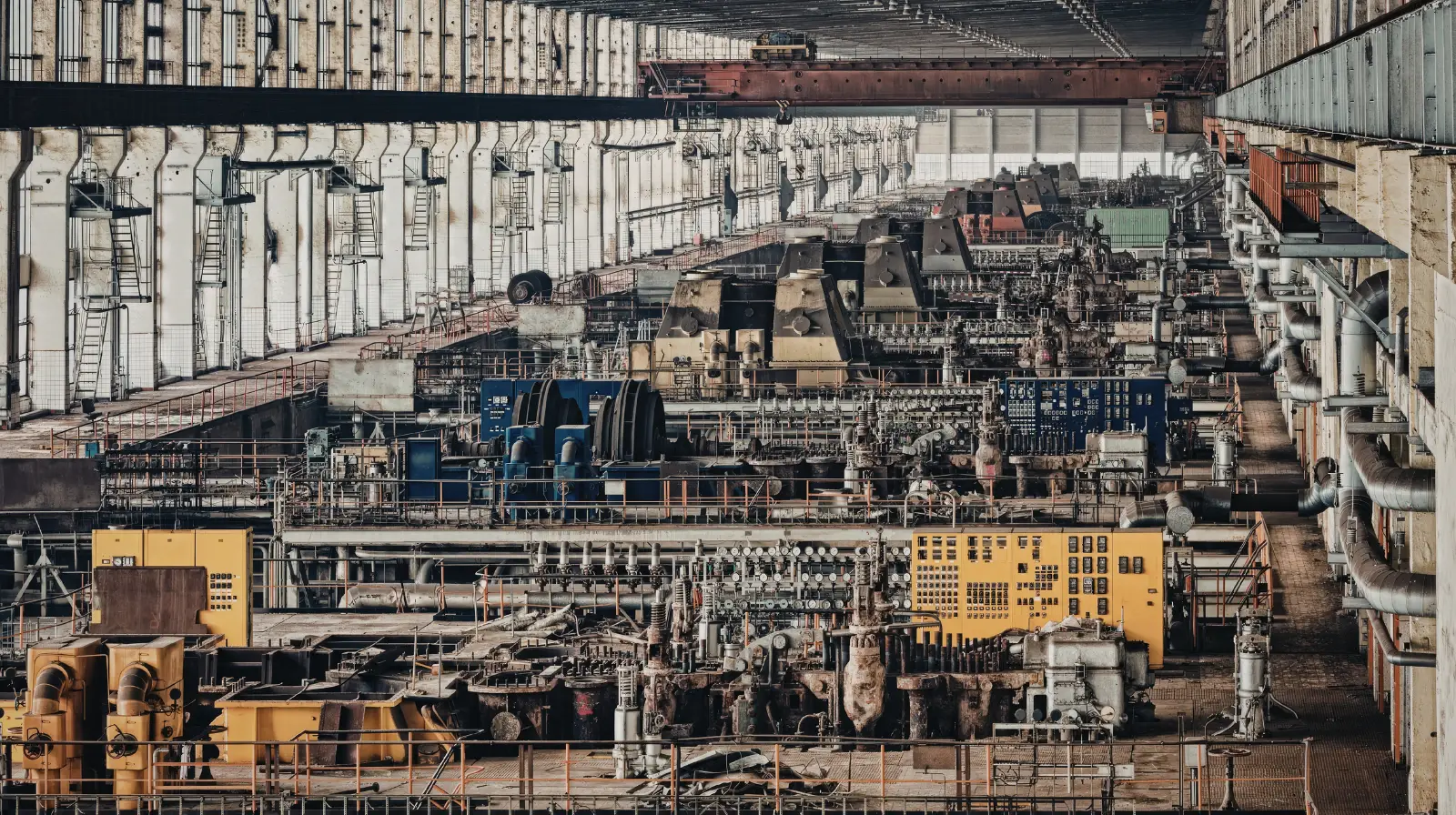
Where Does an Industrial System Lose Energy Without Anyone Noticing?

Industrial energy consumption often doesn't disappear where most people look for it. Oversized systems, poorly optimized motion profiles, and "invisible" operating processes can account for a significant share of unnecessary energy costs. In this article, we explore where hidden losses occur and how a system-level approach can unlock meaningful efficiency gains.

Magyarország
01/06/2026
6 min
FŐKÉP
Where Does an Industrial System Lose Energy Without Anyone Noticing?

Energy efficiency is no longer a competitive advantage in industry—it has become a fundamental expectation. Yet many companies continue searching for savings in the most visible areas: new machinery, modern drives, and upgraded equipment.

The reality is far more complex. A significant portion of energy is not lost at the "big" points of a system but through small, often unnoticed operational characteristics—day after day, cycle after cycle.

Hidden Losses Exist Where We Least Expect Them

The energy consumption of an industrial system is often determined as early as the design phase, frequently without anyone realizing it.

Oversized components provide a sense of security, but they also consume unnecessary energy continuously. Drives, valves, and actuators selected with a "just to be safe" mindset often never operate anywhere near their rated capacity.

Then there are components that continue running even when they are not needed. A continuously operating pump, a permanently pressurized system, or a unit consuming power in standby mode can generate substantial energy consumption over time.

Motion itself is another source of hidden losses. Non-optimized acceleration profiles, unnecessarily high speeds, and excessive cycle times all consume energy, even if they do not initially appear problematic.

In many cases, the control system simply accommodates these inefficiencies instead of actively optimizing them.
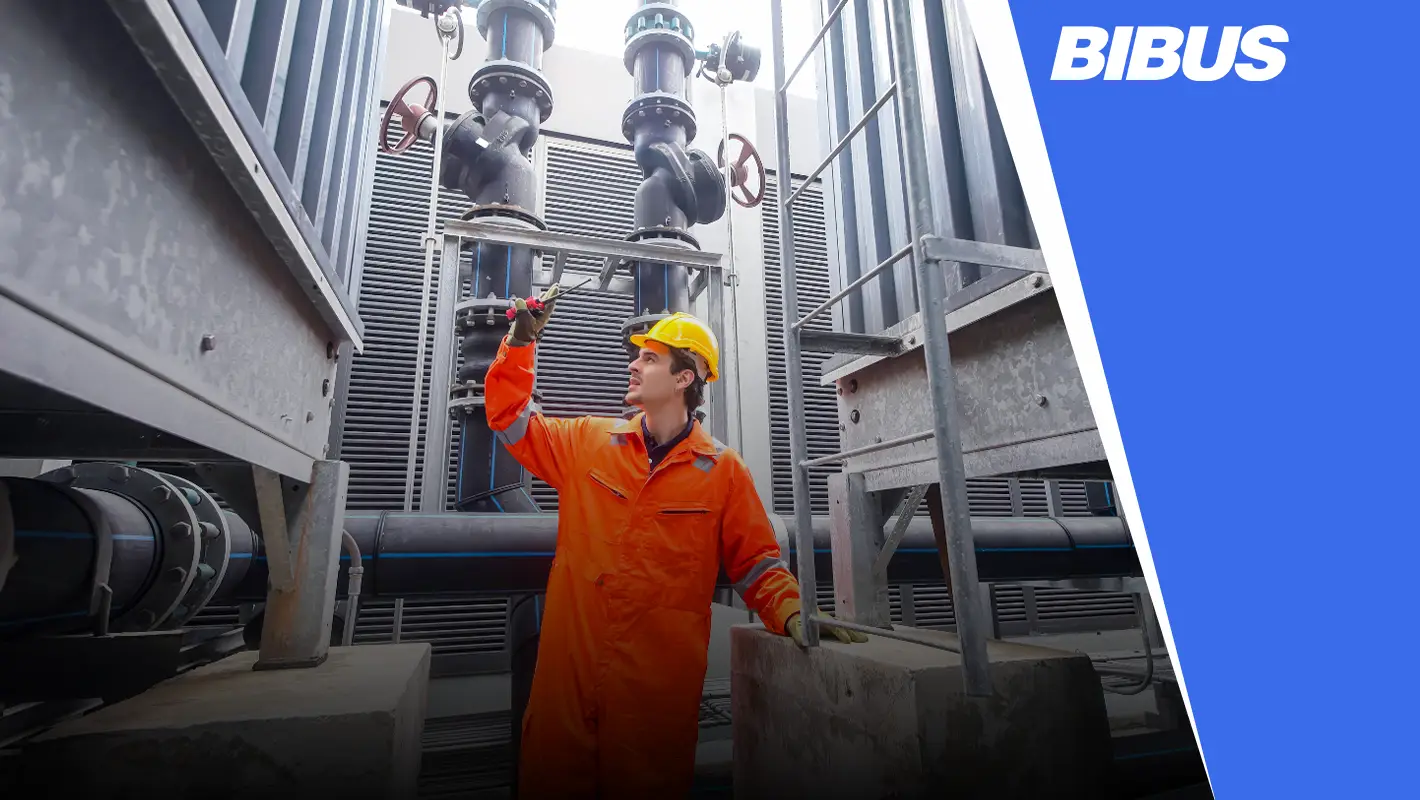

Digitális optimalizáció: a rejtett energiafogyasztás feltárása az ipari rendszerekben
Data-driven control, system monitoring, and optimized operating strategies help identify hidden energy losses and improve the efficiency of industrial systems without major hardware changes.

Hydraulic or Electric? It's Not a Black-and-White Question

A common assumption is that energy efficiency automatically means switching to electric systems. The reality is much more nuanced.

Hydraulic systems remain highly efficient for applications requiring large forces and robust industrial performance. However, under partial load conditions, variable duty cycles, or precision motion requirements, electric actuators often provide more favorable energy consumption.

The real question is not which technology is better, but which technology performs more efficiently within a specific application.

In many cases, the optimal solution is not replacement but a combination of technologies.

Control Strategies Matter More Than We Think

Hardware is only part of the equation.

A well-designed control strategy can significantly reduce energy consumption without requiring any mechanical modifications. Optimized cycle sequences, intelligent load management, and adaptive operation are all tools that can improve efficiency almost invisibly.

International studies on industrial energy efficiency consistently highlight digitalization and control optimization as key contributors to reducing energy consumption (IEA, Siemens).

Az energiahatékonyság nem technológiaválasztás, hanem rendszeroptimalizálás
Choosing between hydraulic and electric technology is rarely a simple decision. The highest energy efficiency is often achieved through optimized system design, intelligent control strategies, and selecting the right technology for each application.

Think in Terms of the Entire System

One of the most common mistakes is expecting a single component replacement to solve the problem.

A more efficient valve or actuator rarely delivers breakthrough results on its own if the surrounding environment—control logic, cycle design, and overall system operation—remains unchanged.

Meaningful improvements emerge when the entire system is analyzed: how components interact, where losses occur, and where interventions can create measurable value.

Often, this does not require new equipment but a rethinking of how the system operates.

More Than Products: Optimization and Retrofit

An increasing number of industrial companies recognize that energy efficiency does not necessarily begin with purchasing new machinery.

Optimizing existing systems—whether through partial modernization (retrofit) or control system fine-tuning—can provide a fast and cost-effective path to improvement.

This approach also changes the role of the supplier. It is no longer only about delivering components but about helping optimize the performance of the entire system—from drive technology and pneumatics to control systems.

Energy Efficiency Is Not a Single Decision

It is the result of many small decisions.

Not one major investment, but numerous smaller optimizations that together can create a substantial impact. Companies that understand this not only reduce energy consumption but also build more stable, predictable, and competitive systems for the long term.

Contact us and let's find the right solution for your application together.

Contact Us!

Related articles

BIBUS_2
GRAFIKA_1_ACE_MARCIUS
GRAFIKA_3
GRAFIKA_4_MARCIUS