Electrification of agricultural machinery: BIBUS France is committed to providing innovative solutions
Faced with environmental, economic, and societal challenges, the agricultural sector is actively transitioning toward cleaner and more efficient solutions. Among these developments, the electrification of agricultural machinery is emerging as a credible and promising alternative to traditional combustion-powered equipment.
Chaponnay
04/06/2026
4 min
As an active member of RobAgri, BIBUS France supports this transformation by offering innovative, robust electrical systems perfectly adapted to real-world field conditions. Through its “Plug & Drive” approach, the company contributes to advancing agricultural equipment toward greater energy efficiency, performance, and ease of use.
Let’s explore how these solutions can concretely help shape the agriculture of tomorrow.
Agriculture facing the challenge of the energy transition
The agricultural sector is facing several major challenges that make the electrification of machinery increasingly relevant.
Growing Environmental Constraints
Reduction of greenhouse gas emissions driven by national and international regulations.
Limitation of noise pollution, particularly important in peri-urban areas.
Protection of soils against hydrocarbon contamination.
Economic Challenges
Continuous increases in fossil fuel prices directly impacting farm profitability.
High maintenance costs associated with hydraulic systems and combustion engines.
The search for greater energy independence, particularly through self-consumption of electricity generated on-site.
Evolving Agricultural Practices
Growth of precision agriculture requiring more advanced equipment.
Continued strong demand for sustainable and organic farming methods.
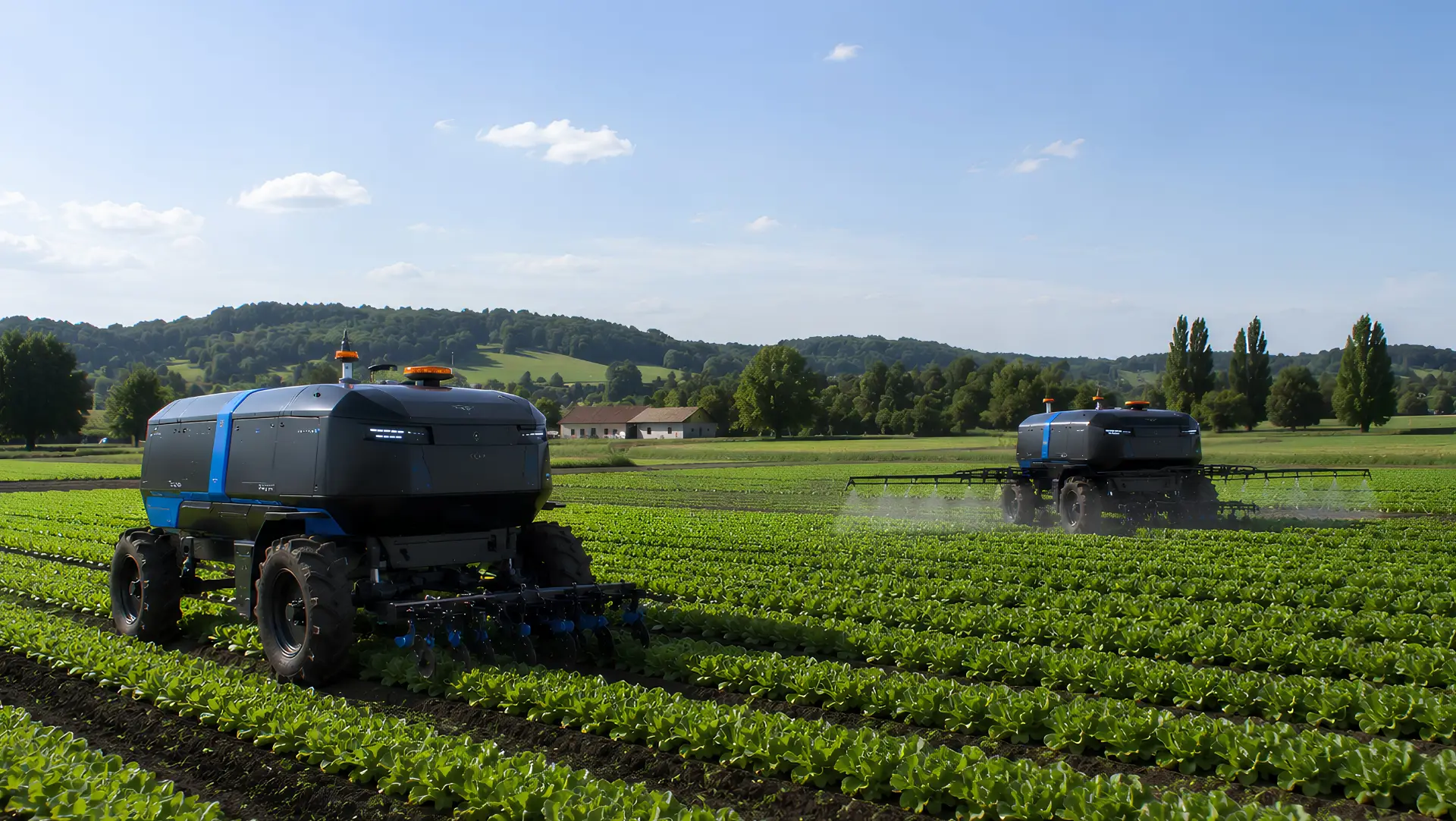
Increasing interest in autonomous agricultural robots, which are inherently linked to electrification.
Autonomous Agricultural Robots
Weeding, seeding, and harvesting robots fully benefit from electrification thanks to:
Quiet operation that minimizes disturbance to wildlife.
Zero direct pollutant emissions.
Precise motion control enabling highly accurate farming operations.
Reduced maintenance requirements for maximum uptime.
Specialized Tractors
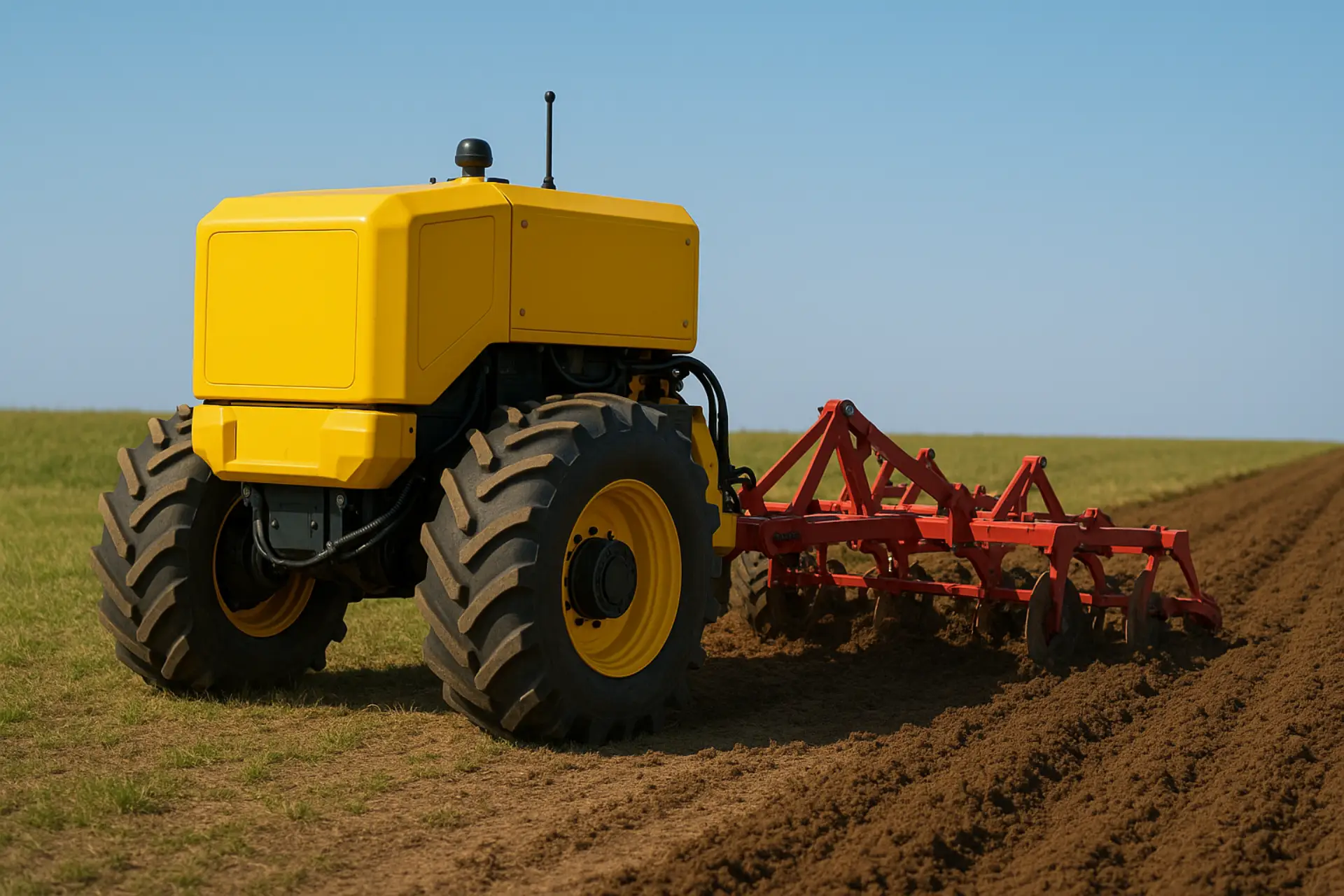
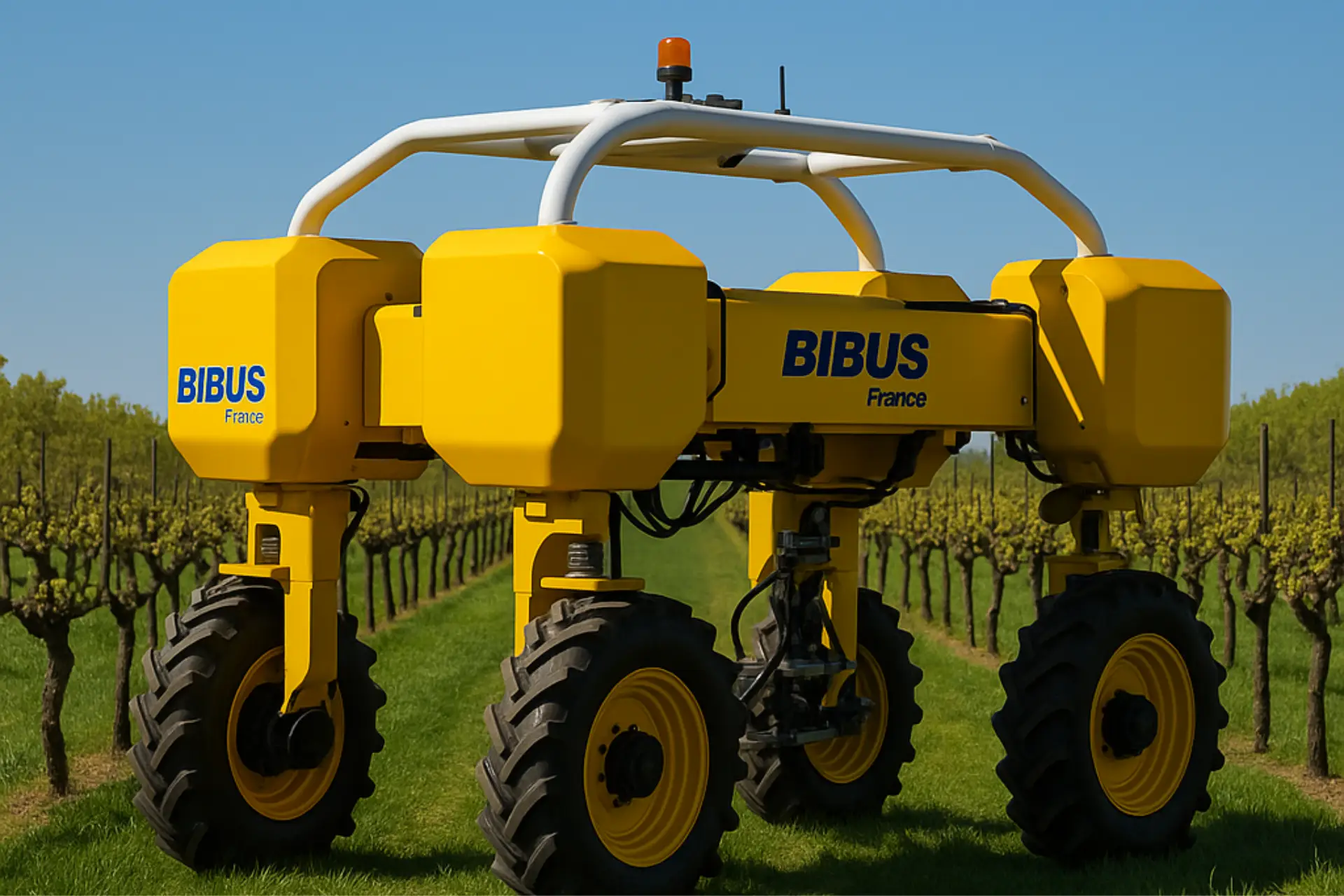
The electrification of vineyard, orchard, and vegetable-growing tractors offers numerous advantages:
Reduced noise and vibration, especially beneficial during extended working hours.
Zero pollutant emissions, a major asset for sensitive crops.
Instant torque available from startup, ideal for slopes and applications requiring strong traction.
Harvesting Equipment
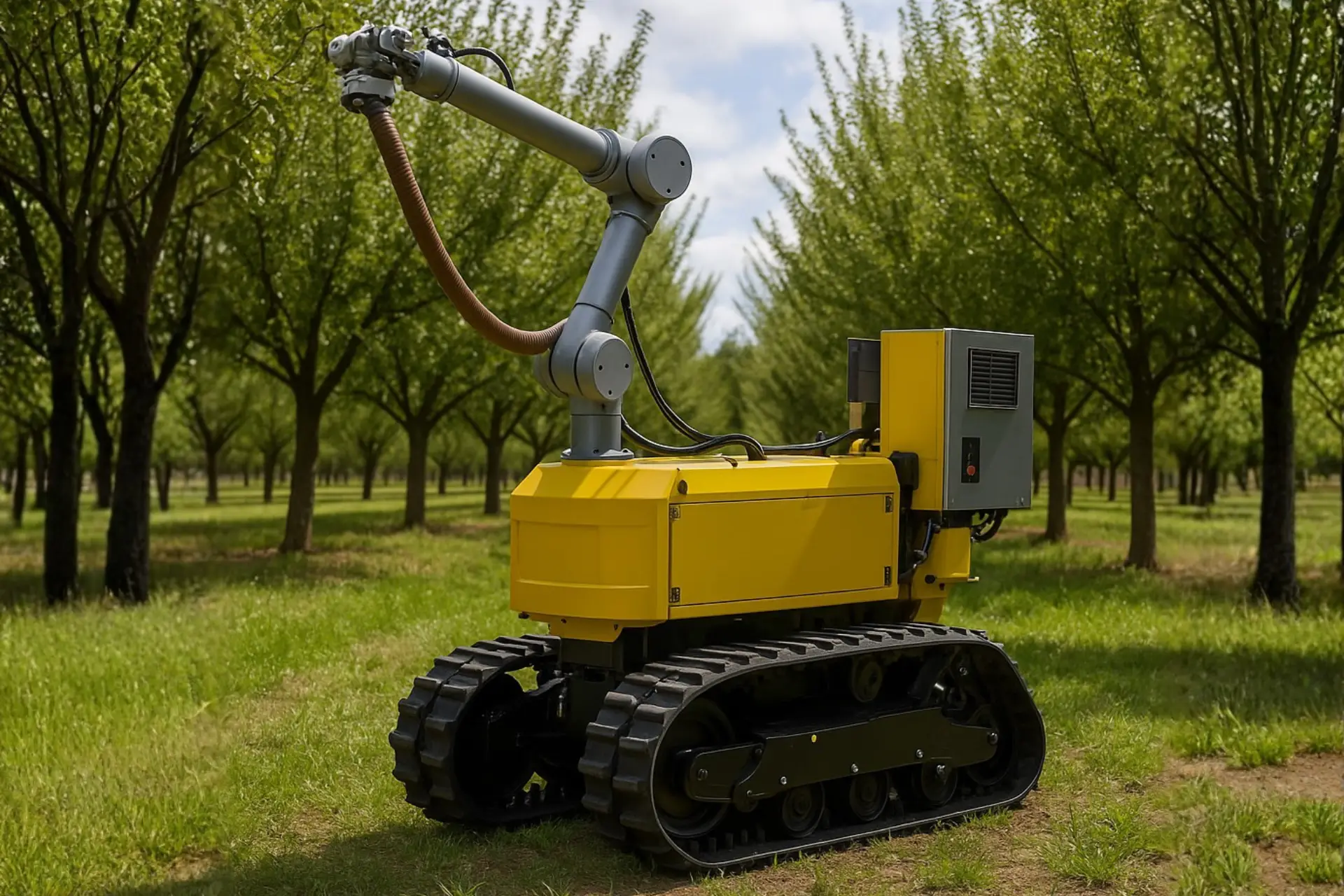
Electrified harvesting machines benefit from finer operational control and reduced risk of product contamination caused by hydraulic leaks. Eliminating the disturbances associated with combustion engines also improves working conditions for harvest operators.
The Economic and Environmental Benefits of Agricultural Electrification
One of the first benefits of electrification is the substantial reduction in operating costs. Thanks to the high efficiency of electric motors, energy consumption is optimized, resulting in direct savings during operation.
Maintenance requirements are also significantly reduced: no oil changes, fewer wear components, and simpler overall mechanics. This increased reliability extends equipment lifespan while reducing downtime and replacement investments.
A Responsible Choice for the Environment
Electrification also helps make agriculture more environmentally responsible.
It eliminates direct greenhouse gas emissions, reducing the carbon footprint of farming operations.
It removes the risk of hydraulic oil leaks, representing a major advantage for organic farming and work in environmentally sensitive areas.
In addition, noise pollution is significantly reduced: electric motors operate almost silently, improving comfort for nearby communities, animals, and surrounding biodiversity.
Improving Working Conditions
For agricultural operators, the benefits are immediate and tangible.
Electrification enables smoother driving with fewer vibrations and almost no noise. End-of-day fatigue is reduced, along with exposure to exhaust gases. This contributes to reducing musculoskeletal disorders and improving overall health.
The integration of electronic control systems also opens the door to more intuitive interfaces, simplifying machine operation and facilitating even the most delicate maneuvers.
🖐 Some electric assistance solutions may qualify for musculoskeletal disorder (MSD/TMS) prevention subsidies. Check your eligibility.
A Solution Tailored to the Specific Requirements of Agriculture
Designed to withstand extreme conditions (dust, humidity, and temperature variations), the solutions recommended by BIBUS France offer superior reliability compared to traditional hydraulic systems.
Thanks to electronic management systems, electric motors provide ultra-precise speed and torque control, which is essential for precision applications such as seeding, mechanical weeding, and harvesting delicate crops.
The complete elimination of hydraulic circuits removes any risk of leakage, enhancing operational safety and ensuring compliance with the most demanding environmental standards.
To learn more about agricultural electrification solutions offered by BIBUS France,contact our experts.
Press release
[Chaponnay, 10/21/2024] – BIBUS France, a provider of turnkey solutions, particularly in the field of agricultural robotics, today announced its membership in RobAgri, the French agricultural robotics association. This membership demonstrates BIBUS France's commitment to developing more sustainable and efficient agriculture, based on technological innovation, the driving force of the SME, which celebrated its 60th anniversary this year.
DMC motor controllers are the brain of electrification systems.
BIBUS France offers a complete range of high-performance controllers, perfectly suited to I&W Engineering hub motors and the most demanding industrial applications.
The electric wheel motors developed by I&W Engineering and distributed by BIBUS France represent a major advancement in the field of special vehicle electrification. Discover how this patented technology is transforming the industry by offering a solution that is 40% more compact.
The Bibus group electrification department studies, designs, develops and tests complete electrification systems for special vehicles. Our multidisciplinary expertise allows us to offer turnkey solutions perfectly suited to the specific needs of each application.
France is one of Europe's biggest emitters of CO2, a gas that accounts for almost 75% of greenhouse gas emissions.
We know that a large proportion of CO2 emissions come from vehicles equipped with hydraulic or internal combustion engines.
At BIBUS France, we design solutions that meet the challenges of reducing physical exertion, arduousness and musculoskeletal disorders (MSDs). It is in this logic that some of our equipment can be part of occupational risk prevention systems.